

UPVC Windows
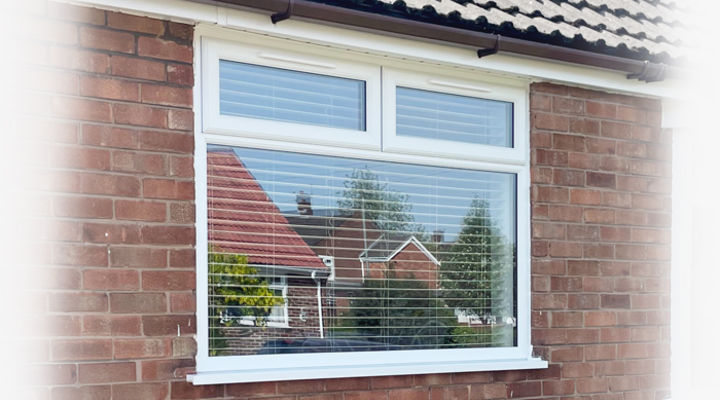
If you’re considering getting a new window, or even a new door, it may be time for you to look at UPVC. In this blog, read about the advantages of UPVC windows, your options, and how they can easily match UPVC doors.
What is a UPVC window?
- It is made from "unplasticised" plastic - A UPVC window actually starts as a resin. When additives are combined with this resin, it becomes PVC (polyvinyl chloride). One of the additives is a plasticiser, which gives PVC its flexibility. When this plasticiser is not added, it becomes UPVC ("unplasticised" PVC).
- It is the same as a PVCu window - PVCu is simply a different spelling of UPVC found in continental Europe, due to grammar of many European languages placing the adjective after the vowel.
- It is an alternative to timber frame windows - UPVC windows were designed as a cheap alterative to timber ones. In time, UPVC windows were designed to better withstand changing conditions of the British climate.

Why should I get UPVC windows?
- More energy efficient - UPVC windows use a multi-chambered profile to create a thermal break, which not only restricts the escape of heat from indoors, but also the entry of draught from outside. Double and triple glazing also help to break up the paths of wayward heat and draught. With less heat escaping, less energy is wasted and so too is less money wasted.
- Lower maintenance - UPVC windows are both UV-resistant and weather-resistant, withstanding the test of British weather, whereas unprotected wooden windows can absorb moisture and deteriorate as a result. UPVCs also don't require repainting, and are easy to wipe clean.
- Drainage included - UPVC windows include drainage holes (also called weep holes), which drain out excess water from rain or washing.
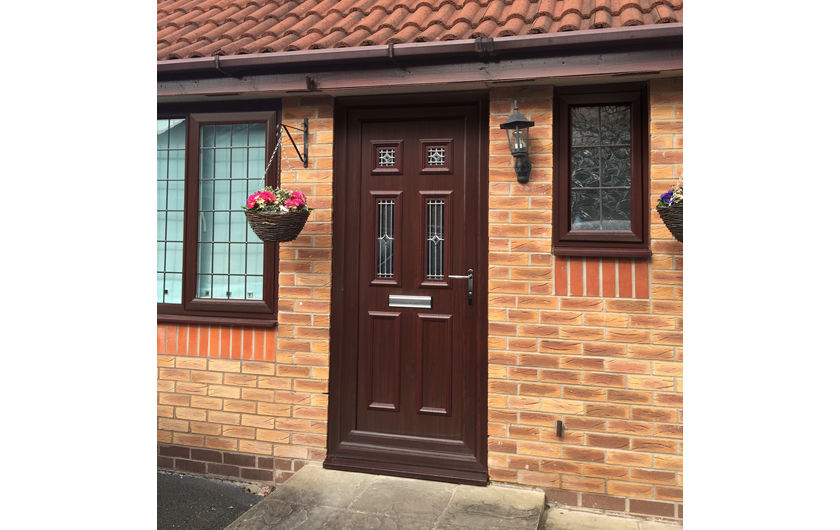
- They match replacement UPVC doors - They use the same profiles as UPVC external doors, making them a perfect match. There are also the same range of finishes, with most of these also available for composite door frames.
What types of UPVC windows are available?
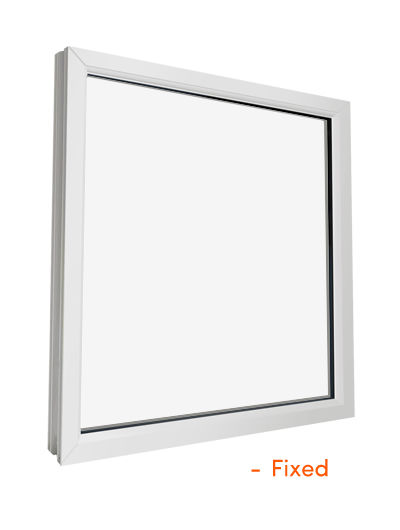
Fixed UPVC window
Pure and simple, a window that remains in a fixed position and does not open.
Casement UPVC Window
Like a door, a casement UPVC window is hinged, either vertically or horizontally. It can be opened for ventilation and closed when cold. A casement window can also include fixed elements.
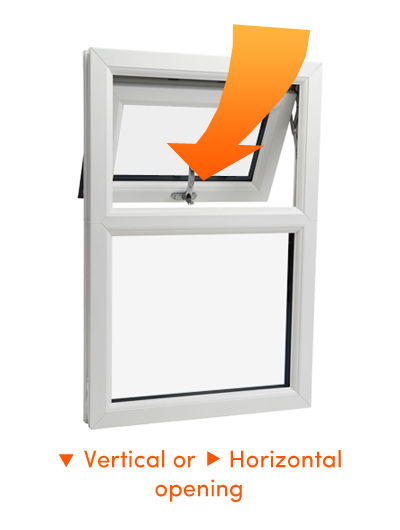
Top hopper casement window
An example of a casement with a fixed section. The top section opens vertically while the bottom remains fixed.

French UPVC windows
These are two opening UPVC windows fitted within a frame. Like UPVC french doors, one is a master (the lead window) with engaging locks, while the other is a slave (secondary) with a flying mullion and lock keeps. This choice provides maximum ventilation.
Reversible UPVC window
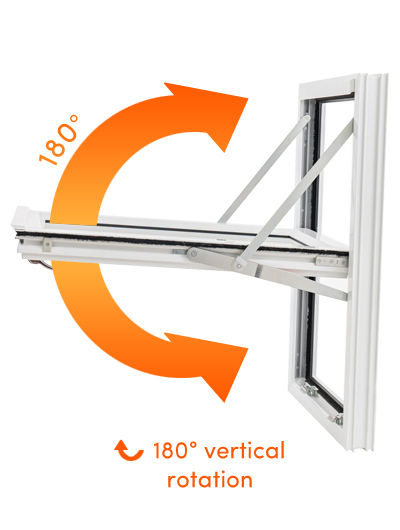
It looks similar to a casement, but the reversible UPVC window can rotate vertically 180°. This makes it easier to clean, and with outward brackets it does not intrude into the room space. Like casement windows, a reversible window can have fixed sections.
Tilt and Turn UPVC window
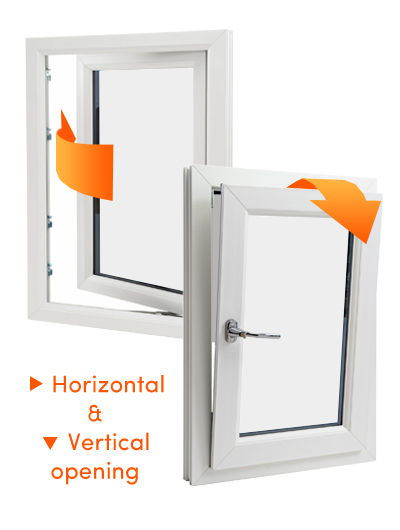
A tilt and turn UPVC window that can open both vertically (tilt) and horizontally (turn). After the window is in its neutral (unopened) position, pulling the handle while turned at certain angles can determine which way it will open:
- ↑ Up facing – lets the window be opened horizontally for easy cleaning
- → Halfway – lets it open vertically (downward) for ventilation
- ↓ Down facing – secures it closed
Sliding sash UPVC window
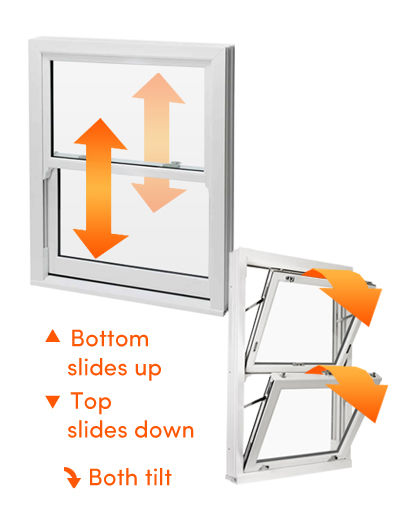
Designed in the spirit of traditional homes, a slding sasg UPVC window consists of two sashes (separate glazed sections) that can slide vertically, and each can be tilted for easy cleaning. The separate opening sashes allow you to ventilate your home as you see fit. Sash lifts on the bottom sash and pole eyes on the top make it easy to move each one as required. When not in use, both sashes can be locked with a key when closed.
Sliding sash windows have the option for sash horns. These were originally used to strengthen the frame, but with the advance of technology windows have become more robust, and these optional horns are now more for decorative purposes.
|
|
|
|
|
|
|
|
|
|
|
|
|
|
|
|
|
|
⯈ or ⯆ |
|
|
|
|
|
⮏ |
|
|
|
|
|
|
|
|
|
|
|
⯈ & Ὶ |
|
|
|
|
|
|
|
|
⯅ ⯆ |
|
|
||||||||
|
|
|
|
|
|
|
|
|
|
|
|
|
|
|
|
|
|
|
|
|
|
|
|
|
|
|
|
|
|
|
|
|
|
|
|
|
|
|
|
|
|
|
|
||||||||||||
|
|
|
|
|
|
|
|
|
|
|
|
|
|
|
|
|
|
|
|
|
|
|
|
|
|
|
|
|
|
|
|
|
|
|
|
|
|
|
|
|
|
|
|
||||||||||||
|
|
|
|
|
|
|
|
|
|
|
|
|
|
|
|
|
|
|
|
|
|
|
|
/ |
|
|
|
|
|
|
|
|
|
|
|
|
|
|
|
|
|
|
|
||||||||||||
|
|
|
|
|
|
|
|
|
|
|
|
|
|
|
|
|
|
|
|
|
|
|
|
|
|
|
|
|
|
|
|
|
|
|
|
|
|
|
|
|
|
|
|
|
|||||||||||
|
|
|
|
|
|
|
|
|
|
|
|
|
|
|
|
|
|
|
|
|
|
|
|
|
|
|
|
|
|
|
|
|
|
|
|
|
|
|
|
|
|
|
|
|
|||||||||||
|
|
|
|
|
|
|
|
|
|
|
|
|
|
|
|
|
|
|
|
|
|
|
|
|
|
|
|
|
|
|
|
|
|
|
|
|
|
|
|
|
|
|
|
|
|||||||||||
|
|
|
|
|
|
|
|
|
|
|
|
|
|
|
|
|
|
|
|
|
|
|
|
|
|
|
|
|
|
|
|
|
|
|
|
|
|
|
|
|
|
|
|
|
|||||||||||
|
|
|
|
|
|
|
|||||||||||||||||||||||||||||||||||||||||||||||||
|
|
Fixed |
Casement |
Reversible |
Tilt & Turn |
Sliding Sash |
|
||||||||||||||||||||||||||||||||||||||||||||||||
|
Motion |
no |
45° approx. vertical swing -or- 90° approx. horizontal swing |
45° approx. vertical swing |
90° approx. horizontal swing |
2x vertical slide |
|
||||||||||||||||||||||||||||||||||||||||||||||||
|
Tilt |
no |
no |
180° vertical tilt |
15° approx. vertical tilt |
2x 45° approx. vertical tilt |
|
||||||||||||||||||||||||||||||||||||||||||||||||
|
Co-ex gaskets |
no |
yes |
yes |
yes |
no |
|
||||||||||||||||||||||||||||||||||||||||||||||||
|
Locked by key |
no |
yes |
yes |
yes |
yes |
|
||||||||||||||||||||||||||||||||||||||||||||||||
|
|
|
|
||||||||||||||||||||||||||||||||||||||||||||||||||||
|
Colours |
|
|||||||||||||||||||||||||||||||||||||||||||||||||||||
|
White |
✔ |
✔ |
✔ |
✔ |
✔ |
|||||||||||||||||||||||||||||||||||||||||||||||||
|
Chartwell Green |
✔ |
✔ |
no |
✔ |
✔ |
|||||||||||||||||||||||||||||||||||||||||||||||||
|
Anthracite Grey |
✔ |
✔ |
✔ |
✔ |
✔ |
|||||||||||||||||||||||||||||||||||||||||||||||||
|
Black |
✔ |
✔ |
✔ |
✔ |
✔ |
|||||||||||||||||||||||||||||||||||||||||||||||||
|
Rosewood |
✔ |
✔ |
no |
✔ |
✔ |
|||||||||||||||||||||||||||||||||||||||||||||||||
|
Oak |
✔ |
✔ |
no |
✔ |
✔ |
|||||||||||||||||||||||||||||||||||||||||||||||||
|
Irish Oak |
✔ |
✔ |
no |
✔ |
✔ |
|||||||||||||||||||||||||||||||||||||||||||||||||
|
|
|
|
||||||||||||||||||||||||||||||||||||||||||||||||||||
|
Hardware |
|
|||||||||||||||||||||||||||||||||||||||||||||||||||||
|
Chrome |
✔ |
✔ |
✔ |
✔ |
✔ |
|||||||||||||||||||||||||||||||||||||||||||||||||
|
Gold |
✔ |
✔ |
✔ |
✔ |
✔ |
|||||||||||||||||||||||||||||||||||||||||||||||||
|
Graphite Silver |
✔ |
✔ |
✔ |
✔ |
no |
|||||||||||||||||||||||||||||||||||||||||||||||||
|
Antique Black |
✔ |
✔ |
✔ |
✔ |
no |
|||||||||||||||||||||||||||||||||||||||||||||||||
|
White |
✔ |
✔ |
✔ |
✔ |
✔ |
|||||||||||||||||||||||||||||||||||||||||||||||||
|
Black |
✔ |
✔ |
✔ |
✔ |
✔ |
|||||||||||||||||||||||||||||||||||||||||||||||||
What are my options for a UPVC window?
- Backing glass - Textured and obscure, these add decoration or prevent viewing into the home.
- Decorative glass - An alternative to plain glass, decorative glass includes Box Lead and Diamond Lead, or refined Georgian Bar.
- A range of colours - There are finishes to match those of UPVC door colours.
- Hardware finishes - The same standard hardware finishes for our UPVC doors are available for windows too – white, black, gold and chrome.
- Cills - For drainage or aesthetics, they come in the same range of finishes and sizes available for UPVC doors.
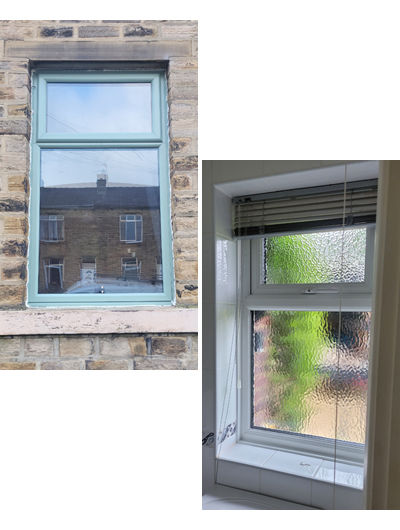
You can join two or more UPVC windows
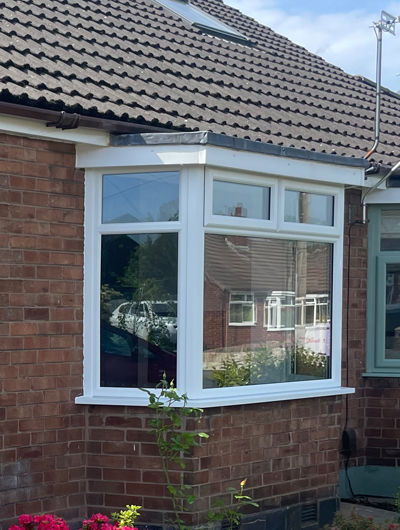
- Different types can be joined - Youcan have an opening top hopper and fixed bottom glass, or even frame a large window between two smaller casements.
- Bay or bow windows - You can join multiple windows to create bay or bow windows, and again combine fixed and opening types.
What alternatives are there to UPVC windows?
- Side panels and top lights - Large panels of glass affixed to the sides or top of a UPVC door.
- Fully glazed or half glazed doors - These allow a great deal of natural light to enter the hallway.
- UPVC French doors or UPVC Sliding Patio Doors - Good for back entrances into gardens or for balconies.
I want to place an order
Good! Here’s how you can do so.
- Send us a message - Either by selecting the blue tab on the right, or by visit the Contact Us page.
- Give us a call - Speak to one of our door experts by phoning 0800 910 1122 free.
- Order a door too! - When you place an order for a Fully Fitted door or Supply Only door, our door experts will be in touch to discuss your requirements.